If you're reading this blog post, you probably already know what Pitch Wars is. For those of you who don't know, it's a contest held once a year by the amazing Brenda Drake. Published/agented authors act as mentors and choose one writer, their mentee, read their whole manuscript, and help get that manuscript ready for querying agents.
As a Pitch Wars 2015 mentee who wasn't chosen when I first entered in 2014, I can tell you first-hand how awesome this contest is and how many opportunities it opens up for you...even if you don't get picked as a mentee.
Even if you don't get chosen...
The sense of camaraderie on the hashtag, #PitchWars, is PHENOMENAL. Make the most of it and you'll find new writer friends.
You might not just find writer friends, but also CPs and beta readers.
You've not just finished a book, you've put yourself out there and shown you're open to constructive criticism and improving your writing. That's a huge step in itself, and it takes you one step closer to publication.
You might get feedback on your entry (although this is not guaranteed). Maybe you'll pick up some hints and tips for making your book stronger, and even for future manuscripts.
Entering the contest gives you a deadline for actually finishing your book and writing the query letter. This is especially helpful for writers struggling to cram their writing into an already hectic schedule. Finishing can be a goal in itself!
Not getting picked does NOT mean your book is unpublishable. This is a very, very subjective business, and rejection is par for the course. Learning how to handle that subjectivity now stands you in great stead for your whole writing career.
If you DO get picked...
You will learn SO, SO much about writing craft and how to improve your manuscript.
The help you'll get with your query and synopsis will help you stand out in the slush pile.
As the contest grows in popularity each year, your entry will be showcased to more and more agents who know your manuscript has been revised to a very high standard.
You will gain an amazing, supportive group of fellow writers all going through the same process, and experiencing the same hopes/doubts. This is especially helpful when the agent showcase comes around. The unwavering support, cheerleading and kindness in my group has been INCREDIBLE.
You will find new CPs and beta readers who have been through the same experience.
It is not easy getting zero or few requests in the agent round. It is not easy receiving rejection after rejection once the contest closes and the querying begins. It is not easy when the offers of rep and book deals are flying around, and you're putting that shiny PW manuscript in the drawer after closing out on your last query. It is not easy picking up and starting anew.
BUT.
Each and every one of those heartbreaks is invaluable. Take what you've learned and apply it to a new manuscript. Applaud yourself for being brave enough to put your manuscript out there, and for embracing constructive criticism (after all, being chosen means a mentor loves your manuscript, but knows how to make it BETTER). See yourself for what you are - one HUGE step closer to publication, even if it might not feel like it.
If you have a completed manuscript, give it a go. Take the chance and submit your entry. You never know where it'll take you!
Good luck, and I can't wait to read your entries during the agent round!!
Saturday, 18 June 2016

Monday, 2 May 2016
When the Words Don't Flow
Okay, so it happens to all of us writers at some point.
Sometimes, no matter how hard you try, no matter how many times you sit down to write, the words don't come. Or maybe you can't even bring yourself to sit at your desk and try to write...I know this has happened to me more than once in recent months.
Like I said, it happens to us all. I've personally been in a rut the last couple of months, but I'm slowly starting to 'word' again. So, I'm sharing some of my tried and tested tips to help you out of a writing drought.
1. Accept there's a problem, but don't beat yourself up about it
Sit down, relax, and stop stressing because you aren't writing. We're not taps. You can't just turn creativity on and off. Acknowledge you're struggling to write anything and that it's okay to not be writing. Taking the pressure off can do wonders for your productivity.
2. Find the cause
Does the thought of sitting down to write this one particular story fill you with dread? Are you bored to tears thinking about the next scene? Can you just not think of a story to write next? Whatever the cause, think it through. Maybe you need to take the story in a new direction, or perhaps it's just not the right story for you at all.
For me, I worked out I had two problems going on. I've been in a big rut of self-doubt lately, and I was also forcing myself to write a story before it was ready. I took some time away, and am working on a different story for now. I've tried not to be so hard on myself, but I'll admit I'm still struggling to word right now. It'll get better...it's just a matter of pushing through.
3. Reread your favourite books
This one helps me every time I hit a 'word wall', no matter the cause. Fall back in love with your favourite characters and worlds again. Give yourself permission not to write, but to read instead. Maybe rewatch your favourite movies, too. Visit galleries and museums you love. Do anything you can to replenish the well. Writers spend as much time not writing as we do writing...it's all still part of the process. Give yourself permission just to be inspired and let ideas bounce together in your head.
4. Brainstorm
Write down everything you LOVE in a list. If you hit on something particularly exciting, you might even generate some novel ideas. But, sometimes just the process of writing down everything you adore in a book, or what you love to read, sparks those crucial connections getting you back in front of your notebook or computer. It's certainly helped me before! I actually do this when I'm stuck in the middle of a manuscript, too. Sometimes reminding myself why I'm writing that particular book gets everything going again.
And above all, everyone, do not put pressure on yourself to write. It's not a race. The words will flow again. Sometimes the moment you stop obsessing over your (lack of) writing is exactly the moment your imagination gets to work! :)
May the words be with you all!
Sunday, 24 January 2016
World-Building: Avoiding Info Dumps
In my last post, I talked about the kinds of questions I ask myself when I'm building a brand new world and magic system for my manuscripts. You can read it here. This time, I'm talking about the other key component of world-building: releasing information without boring or overwhelming the reader.
When you're building a completely new world, there's a temptation to explain everything about that world right away so the reader understands the mechanics upfront. You might narrate a lot of background information that the reader 'must' appreciate for the story to make sense - or to save you explaining it later. This leads to info dumping - and annoying even the most patient of readers. So, how do you let the reader into your cool new world without paragraphs of dull exposition?
Start with the barest, most relevant components and flesh them out.
Here are three broad questions I ask myself while I'm working on a new manuscript:
1. How can I show my MC in characteristic moments and keep world-building relevant?
2. What is the minimum the reader and MC must understand for this scene to matter and make sense?
3. How can I use conflict to explore this world and reveal its complexities?
I ask these and a wide range of related questions the whole time I'm drafting and revising. They all link back to that one concept - start thin, flesh out. Keep everything tight and relevant. I find it easier to add details than cut. It helps me avoid info dumping if I consider my manuscript a canvas: I can always deepen the colour and add layers if it's too sparse or pale in spots.
We don't need to know everything at once. In the opening scene or two, I focus mainly on introducing the character and an initial story question as opposed to heavy world-building. I then consider what is important to that character about the world - if it matters to the MC, it'll matter to the reader. This helps with voice, too. Starting small with a narrow focus gives me something to build upon after allowing the reader to become invested in the MC and their situation.
The gist of this, then, is to keep everything directly relevant to the main character. If it doesn't matter to the MC at that point, why are we learning about it? If we don't 'need' to know yet, why tell us? Every revelation must earn its right to be there. Start basic, then expand. Show your hero or heroine in an engaging situation and make the revelation count - readers absorb details more effectively if they feel immersed and part of the action as opposed to bystanders reading a textbook.
Speaking of showing over telling, use conflict to your advantage. Keep everything tense. Have characters bicker over a world flaw, or a poor leader, or the empty kitchen and coffers. Don't simply tell us these problems exist somewhere, some place in that world. Make your characters suffer at the hands of twisted laws. Show us the unique, personal reasons why they're marrying or allying with someone they can't stand, and the consequences of failure - don't just narrate the background.
Show us the antagonist in action, and characters debating over what to do - or fighting over the aftermath. If your MC has a sore spot, make them confront it - don't only tell us what they fear or what they hate about their world. Make setting count, but have your MC interact with it as opposed to just paragraphs of description. Again, this helps with voice - something I'm talking about next time!
Bottom line - world-building is hard. It takes practice. Keep things focused and relevant with the promise of expansion, and you're well on your way to creating an immersive world.
Saturday, 16 January 2016
World-Building
Writing a book isn't just about the plot and the characters. Any good book needs a solid foundation - the world in which those characters live and the plot takes place. Everything is linked. When one element fails, it ruins the whole book. How do you build an entire world with its own rules from scratch?! I'm going to outline my own process.
When you're building a world for your book, you need to accomplish two main things:
1. Build a believable world with rules and history.
2. Release information about the world without overwhelming/annoying readers.
Today I'm focusing on point 1: building the world.
1. Build from character
For me, everything starts with character. How they act, think, dress....characters are a product of the world they inhabit. There's a reason for everything, although we don't need to know them all...more on that next time! Once you start getting to know your character, you learn a lot about their world and its problems. This in turn helps shape your plot. Maybe your MC is a slave. Who do they serve, and why? Who do they fear, and do their masters fear anyone? What was their life like before? Is slavery common in their world - could your MC's goal relate to freeing themselves, and maybe even others?
Sometimes I'll know a little about the world I want to write in before I find the characters, but I tweak the rules to suit the characters. Never force a character to fit into a world - let it develop from those living in it. Listen to your characters, and you might be surprised what slots into place for you.
2. Be consistent
This is especially important in fantasy. At its most basic, every world needs a governing set of rules. If you want to write about magic, you have to decide on a magic system. Can everyone use magic, or only a certain class of people? What is 'magical' in this world - are spells a part of daily life, and are dragons as common as cats? Is magic legal or illegal? These are some great initial questions to ask, and the answers help generate plot and conflict, too.
If we get even more basic, does your world have the same concept of time as ours? What about gravity and geography? Does it have four seasons? What about animals, food, and plants? Asking these really simple questions sometimes offers up unexpected answers - allowing you to build richer, more original worlds.
Whatever your world, you should stick to the rules once you know them. If it's impossible to fly in this world, your MC can't suddenly use flight when it's convenient. If it's always dark, don't include scenes involving the sun (unless your MC is remembering a different time, or something). Don't be afraid to rewrite the rules if the world no longer feels right, but don't bend them because it's easier than figuring out a solution to the problem.
3. Politics
You need to figure out how your world is governed. Do you have city states, countries, kingdoms? How many? Who rules, and how effectively? You also need to question things like trade, religion, succession, crime and law, commerce, form of governance, rights, and the military.
History is GREAT for this. Seriously, it's a goldmine. Research will help you build great worlds. For example, how do wars break out? What were the motives behind them? Why did that kingdom stop trading with another? This can also help you build more convincing antagonists.
4. The little things
Sensory details reveal heaps about a world and add depth to scenes. They are key to a convincing story - the feeling of immersion as opposed to just reading words. Is a character drinking coffee? Mention the smell or the taste. Maybe it rains a lot and your character comments on having cold, wet feet. Or perhaps they're uncomfortable trudging through the desert with their clothes sticking to them. Little details enrich your story. They also add voice - let your characters show off their personalities!
Ultimately, everything I do comes back to character. Once they start opening up to me, I uncover the details I need to flesh out the world. And I always, always tweak the world to serve them when I'm outlining - not the other way around. World-building is FUN. Don't let it intimidate you! :)
Next week - how to release all the necessary details about your cool world and its inhabitants without overwhelming your readers!
Monday, 4 January 2016
Maintaining Passion for a Story
Happy New Year, everyone! I hope you all had a great time over the holidays. And, I hope if you're writing (or planning on writing), you stick with it. It's easy when life gets in the way to let writing slip down your priority list - don't let that happen to you. Here are my tips on how to maintain your passion for your story, and see it all the way through to the end.
1. Remember why you started it
You didn't commit to the scary craziness that is writing a novel for nothing. Something awesome - a character, a world, a cool premise - sparked your interest enough to even think about writing a whole book. When you're staring at a blank page and can't figure out how to get things moving again, always return to that seed. Maybe it doesn't excite you anymore. That's okay. It happens. But more often than not, you just lose sight of it. Refocus and you can push through!
2. Listen to your instincts
Maybe you've taken a wrong turn, or you've lost the sense of who your characters are. You could be losing interest because you know, deep down, that you need to step back and have a think before moving forward. This is great! It saves you time in the long run if you don't need to trash half a novel because it's flat or plain wrong. Think back to when you last loved your novel, and how it could take a different turn.
3. Ignore negative voices
This is a big one. It's so, so easy to let outside influences bring you down. Maybe no one understands your dream of becoming a published author, or rejections come flooding in and you don't see the point in pressing forward with a new manuscript. Writers deflect a lot of awkward questions and opinions, especially over the holidays - it's a minefield, I know. Shut all of this out and focus on what you can control - your story. Don't ever believe that it's not worth your while.
4. Break it into manageable chunks
Everyone struggles through The Middle. It's a maze of possible wrong turns and difficulties - don't stress. Take it one scene at a time. Don't fret about word count, and work at your own pace. Don't worry about how much you have left to write or fix. Think about how excited you are to find out what happens next.
5. Pause when you could write more
I find it really effective to stop writing right before something is about to happen. Unless I'm really in the zone, I always give myself a 'reward' for returning to my desk - a confrontation I can't wait to write, a kissing scene...anything. I also often write the first paragraph of a new chapter or scene before I stop so I have something to work with when I start writing again. I find this really helpful.
Sometimes, the passion for that story really isn't there anymore. Don't stress. It happens to everyone. But often, if you keep pushing, you can maintain passion for your story - enough to keep you ploughing through revisions and beyond.
Here's to a successful year of writing, everyone!
Saturday, 19 December 2015
Looking Back on 2015, and 2016 Goals
So, after spending all afternoon working on an outline for my latest manuscript (yay!), I started thinking about my goals for 2015 - and what I'd love to achieve in 2016. In January, I promised myself that I would:
A) Query THE MAID AND THE CRIMSON BLADE
I didn't achieve this goal, but only because TMatCB is now HOUSE OF SMOULDERING TEARS. In brief, I picked TMatCB apart, kept my heroine and some of the other characters, threw them into a whole new world, and so HoST was born. In 2015, I learned how to accept when a manuscript isn't working. And, I gained the courage to burn said manuscript and forge a new one from the ashes, so to speak. Okay...now I sound like my heroine!
Sometimes, you have to let a manuscript go - or at least be daring enough to rewrite the thing.
B) Find time to read more books
Yeah, I definitely made time to read more this year. I explored genres I wouldn't normally read, and branching out fuelled my creativity in unexpected ways.
C) Exercise more
Lol, LET'S JUST SKIP THIS ONE.
D) Draft something new
I drafted HoST, half of another manuscript I'm shelving for now, and a few other random things. So yeah, I'm calling this a success!
E) Never forget why I'm doing this
This is a big one. I am a writer. It's what I love. I didn't forget that this year - not even once.
So, goals for 2016:
A) Get an agent
I have literally no control over whether or not this happens, but publication is my dream and I'm determined to chase it this coming year.
B) Draft two more books
I'm about to start a new manuscript - that's one draft. And, whatever happens with HoST, I'm working on the sequels. I adore the characters, the world...everything. At the very least, I'll rewrite HoST if need be. But, if HoST is simply not working, then I'll have something new to hopefully query later in the year.
C) Never give up
Like I said, I have no control over what will happen with HoST, or anything else I write. But I will NOT give up on my dream. Achieving it is my only option - however long it takes!
I wish you all a happy, healthy and successful 2016!
Tuesday, 8 December 2015
Choosing Between Ideas
I've been super busy recently, so I haven't had the chance to blog in a while. But now it's time to start on a new WIP (yay!), so I thought I'd explain how I choose between ideas.
Like all writers, I have lots of little plot bunnies bouncing around inside my head. At the moment, I have pitches jotted down for fifteen different YA fantasies. FIFTEEN. How do I decide which one to focus on first?
I try not to worry too much about market viability at this stage. I'm aware of trends and what else is out there, but now isn't the time for limiting my creativity. If an idea really speaks to me, I can always work on making it stand out before I start drafting.
I build everything around character. So, at this point, I look at those pitches and consider which characters appeal to me the most. Do I have a sense of who they are? Do I understand the challenges they face, and what burdens they carry? Can I visualise the main character and/or supporting characters, and maybe even the opening scene? Sometimes I'll come up with a cool concept, world or magic system first. But unless I can answer those questions, I can't get excited about the project and it always stalls.
Then, I get a notebook and start jotting things down to see if I can identify the heart of the story, or the story question. I know I'm on the right track when I understand how the story ends (and why it ends the way it does). At this point, I'll actually draft another pitch and possibly even the query. When I have the right character, the core conflict and stakes come pretty naturally to me, and I'm now VERY enthusiastic about the project. There's a good chance I'll dance at my desk. With all these feelings, I know this project is The One to work on.
Once I have a main character (and possibly even other characters) I consider how to make my project more original if marketability is an issue. Otherwise, I'll work on getting to know my characters better. I'm going to spend a lot of time with them, so I need to know their quirks and understand their personalities. I thought of an awesome concept recently, but I just couldn't visualise the MC and I didn't feel passionate about her journey. I stalled. But when I returned to my pitch list, another character and her dilemma called to me - and I can't wait to get started!
Everyone has a different process, and every project has its own unique challenges, but if you're struggling to pick an idea, I recommend starting from character. I wrote my Pitch Wars manuscript because I fell in love with the characters and their issues, so I'd say this process works pretty well! :)
This also applies if you're struggling to come up with an idea in the first place. Think of someone you'd love to write about, and what kind of challenges they face. You never know what you'll end up with!
I'll be talking about how I maintain passion for a story next year! :)
Friday, 30 October 2015
My Pitch Wars 2015 Experience
I haven't updated this blog for what feels like forever because I have been super busy writing and editing! In September I got into a contest called Pitch Wars, where writers get selected to work with agented/published authors in order to make their manuscripts shiny and ready for agents - yay! If you want to check out my informal bio for Pitch Wars and a little bit about my manuscript, you can find it here!
This post is about what I've learned over the last eight or so weeks - A LOT - and I'd like to offer some tips and advice to other writers based on everything I've gained from this amazing experience!
1. Always have a PLAN.
Eight weeks is not a lot of time to edit a manuscript, polish it up and write a compelling pitch, but tight deadlines are pretty common so it's vital to have a coping strategy. And by that I mean you need a plan outlining everything you need to do and how you plan on doing it. Breaking everything down this way not only makes everything less scary (trust me), but ensures you don't forget anything.
As soon as I got my first edit letter, I cracked open a new notebook. I jotted down all the key points and any solutions that popped into my head. At first glance, it wasn't difficult to rank everything in order of priority - starting with large-scale arc changes down to line edits. Luckily for me, my mentors are geniuses who touched on everything I secretly wanted to change but didn't know how, but without outlining the necessary changes I would have had no idea where to begin. I plotted out my plan of attack and set myself strict deadlines - I managed to turn in my big picture edits EARLY, even if I still had a bit of work left to do on a smaller scale.
On that note - deadlines are important and Pitch Wars is seriously good practice for understanding what deadlines will be like down the road if all goes well. So yeah, have a PLAN and you'll be okay!!
2. Editing is scary. But it's manageable. You will survive - I promise.
So I suppose I've made it sound like I wasn't all that daunted by revisions - not true! Truthfully, the thought of all the new scenes I had to write and relationships I had to develop made me eat a lot of candy and flail. But I didn't dwell on my feelings. To make a manuscript stand out, to make it publishable, sometimes big changes have to be made. Is it painful? Sure. Is it doable? Absolutely. Because after having a plan comes having the right ATTITUDE. If I'm ever lucky enough to work with an agent and editor, I'll no doubt be asked to make more changes. That's just how it is. But I am 10000% more in love with my stories and charactersthan before, so the flailing (and toothache!) was worth it.
You can handle any scale of revision - even if it feels insurmountable at first. Don't be afraid to do what's necessary for your book baby!
3. The writing community is incredible. Make the most of it!
I already knew this, but seriously, reach out to your fellow writers. Help each other. Offer encouragement (and virtual hugs when things get tough). Part of what makes Pitch Wars so awesome is the camaraderie between mentees and sharing this journey with other writers. You'll make new friends if you seek them out, and maybe even some critique partners for future manuscripts!
So, there you have it - the key things I can take from this contest, and hopefully writers reading this find something useful in my ramblings!
I cannot thank Brenda Drake enough for this incredible opportunity - you do so much for the writing community, Brenda, it's amazing! And to my mentors Kathryn Purdie, Shannon Parker and Janet Taylor - you guys have been so, so supportive and encouraging, and I can't thank you enough for believing in my story enough to help me make it shine! You all totally 'got' my story and characters, and I am so grateful for that.
Best of luck to everyone participating! I can't wait and I wish everyone ALL THE SUCCESS!
Sunday, 14 June 2015
The Joy of Beat Sheets
So right now I'm knee-deep in the Editing Cave of Doom, but I'm taking a break to blog about my favourite synopsis tool: the beat sheet.
What is a beat sheet, then? Basically, it's a way of mapping out the plot points that determine the direction of your story. Whether you like to outline meticulously or fly by the seat of your pants, there will come a time when you have to consider how solid your plot is, and if there are strong enough conflicts and challenges to propel your story forward from point A to end point B.
Without a compelling plot, your characters just kind of meander around doing pointless stuff with no clear goal. And just as bad, you might have a lot going on, but none of it gels together to create a solid, developing narrative. I am guilty of BOTH plotting fails, but that all changed when I discovered the beat sheet. At the same time, I changed my whole approach to synopsis writing.
Before I start writing a new novel, I now like to have a solid idea of the major turning points - the events that'll shift the direction of the novel in the most meaningful way. I like to know specifically how my character will be dragged into the action kicking and screaming, or how and why they choose to get involved. I consider how the gears shift again around the midpoint, then what major event launches my characters into the final act. I have a clear idea of how the novel will end, and how the characters have changed by this point - during this process, I also note how the characters themselves develop and grow.
These major events are the bare bones of a synopsis. If I make a note of them, I can later develop those one or two lines into a skeletal synopsis. If I go a step further and consider the smaller conflicts and decisions linking all those major parts together, I pretty much have a draft synopsis in front of me before I even start writing. It's not perfect, and I still have to redraft (and redraft some more), but I can test my story for major problems before getting too far into a draft. This solves serious headaches further down the line when you realise your chapter has no real goal, or something equally nightmarish.
So how do you create these things? You can simply write your turning points down on a sheet of paper. Or, you can find amazing style sheets (and lots more detail on beats themselves) here. Seriously, go look. I learned everything I know about beat sheets from Jami Gold's amazing writing guides! They might look intimidating, but they'll transform your writing.
Try it - it's sure helped me, so hopefully you take something useful away, too. In summary: thanks to beat sheets, it took me a HALF HOUR to draft a relatively competent synopsis instead of days like before. If synopsis writing gets you down, TRY THIS.
Finally - Susan Dennard's guide to writing a synopsis is also seriously useful, and explains the major events you need to include in a really clear, succinct manner, whether you're just new to story structure or more experienced. Find it right here.
Happy synopsis writing, fellow writers! :)
Thursday, 14 May 2015
Beyond Exploratory Drafts
So it has been a while since I last updated this blog, but I've been working hard on a first draft after finishing an 'exploratory draft'. I posted about such a thing here, and mentioned I would post an update once I got through it. And I can say that...
It was a great experience for me! I drafted about 65k, and discovered the bare bones of the story I really wanted to tell. Because it was just exploratory, meaning it was about uncovering the Right Story, I didn't feel under any pressure to make it read even like first draft quality (lol). And, I didn't feel like I had to revise the exploratory draft, either. I've kept a couple of turning points, but let a lot of the real drivel go and just rewrote the manuscript. It was such a freeing experience, and it's how I intend to write from now on.
I've actually decided to adopt characters from the 2014 NaNo manuscript I'm rewriting and make this their new story. The problems with the old manuscript aren't going anywhere (the story just isn't original enough, if I'm honest) but the characters and their internal arcs deserve to be explored in a more marketable manuscript. My MC, her love interest and primary antagonist fit PERFECTLY into this new world, and even secondary characters shine now. For the first time, I love each and every one of my characters!
If I've learned anything from this latest manuscript and my new way of approaching drafting, it's to never be afraid of making big changes and rewriting. See it as a freeing experience as opposed to more work, and you'll find the best way to tell whatever story you have inside of you.
Now all I have to do is whip this synopsis, query, pitch and manuscript into query-level shape ;)
My next post will be on beat sheets, and how they make writing a synopsis so much easier! :)
Tuesday, 31 March 2015
Exploratory Drafts
So right now I'm in the middle of plotting a rewrite, and the endless brainstorming accompanying that process. To keep my creativity high/save me from going insane, I've also been writing a New Book. And for the first time ever, I called the first draft the Exploratory Draft.
It has been a very, very freeing experience.
For me, the point of this draft was to do what the title implies - explore the world, conflicts and characters with the goal of finding the right story hidden somewhere between the lines. I plotted a rough outline, sketched out a couple of beat sheets (I'll post another time on why these are great writing tools) and had both my pitch and skeletal query set out. But because it's fantasy, and the world is perhaps the most complex world I've built, I figured I'd need a bit of space to test whether or not my outline was heading in the right direction. It *sort* of was.
I called this draft quits around 65k in, at the start of the third act. The ending I'd planned no longer felt right, but through the draft itself I have found the Right Story. I can still use a lot of what happens in the first 100 pages, so I've printed them out to assemble into the new draft. The real first draft.
This was freeing for me because instead of feeling the pressure to complete the draft and wrestle it into submission like I normally do with first drafts, I am letting a lot of it go. I'm listening to my writer-y instincts, and following the characters to where they want and need to go (more on that another day). I'm free to pretty much re-imagine the whole concept and the importance of the secondary characters, and it's a GLORIOUS feeling. I'm not nearly as stressed as I normally am when I have to tackle the first round of revisions.
I have a revised outline/beat sheet/pitch, and this time the ending feels urgent and RIGHT. It has also opened up the possibility of a book 2, and perhaps a book 3. So from now on, I will call my first attempt at a new story the Exploratory Draft. Maybe it's psychological, maybe it's because it takes me a while to actually find the right story and this is how I roll, but it has worked well for me. Feel free to let things go and rewrite. EXPLORE your story. Your book is a little baby at this stage - let it grow into what it wants/needs to be.
I'll post an update as to how this goes in the end!
Monday, 9 March 2015
Writing Lulls
For the last couple of weeks, my writing has stalled. At the moment, I don't feel in a position to write so much as a sentence. I've been brainstorming potential solutions to a WIP plot problem, and coming up with nothing. I've also hit a brick wall with this new project I'm outlining - I can't for the life of me figure out a plot.
But.
I might have figured out the reason why. It has something to do with a simple problem - forgetting why I write in the first place.
Recently I've been SO obsessed (and I mean seriously obsessed) with finding a fresh and original story to write. Something that's never been done that I might have a chance of selling. It's proving, right now at least, pretty much impossible. The reason - I'm trying too hard. Instead of focusing on making my characters as interesting and relatable as I can, I'm stressing out over plots, twists and hooks.
There's also another grim reality. Let's face it, plot structures, tropes and dare I say cliches exist because they work. The best writers put new and exciting faces on these things so we don't even notice they're operating (at least to my mind that's what they do, lol!). Whether it's new settings, twists, digging deep to mine possibilities of each and every trope we know and love...we shouldn't 'sense' the formula, but it's there. They also employ characters we can't help but love, or love to hate. Characters we haven't read about, who have a unique take on life. There are SO MANY books I love - but the plot details are hazy in my mind. It's the characters and their wants, needs and choices I remember.
So with that in mind I'm spending time reminding myself why these characters excite me. Why I'm compelled to explore their journeys. Even as I write this post I'm brainstorming a potential plot for them, all because I took a step back. And if it turns out too 'unoriginal' to query? I'll play with it until it's fresher. But from now on it's character first, plot second.
Here's to a successful writing week, everyone!
Sunday, 22 February 2015
Reading Outside the Comfort Zone
So I'm still in the middle of my MS rewrite, and to save myself from going insane I decided to take a couple of days off to just READ. My TBR pile is getting out of control, so it was time to put a dent in it. Some of the books I've accumulated are totally outside what I'd normally read, but I'd heard great things about them. So I decided to give them a go.
I am SO GLAD I did. For context, I usually read YA fantasy and happy-ish contemporary when I feel like a break from magic/strange creatures/quests and the likes. This time I decided to delve into...darker books. One is a dystopian (I think - it's so BOLD I'm not entirely sure if this is the right category) and the other is pretty dark contemporary*. What did they teach me? That there are so many amazing books out there that I otherwise wouldn't have tried because they aren't 'my usual type of book'. They also taught me some writer-type things.
I have a couple of characters bouncing around in my head, and before reading these books I couldn't find their story. I've hammered out so many drafts, and scrapped each one in frustration. Why? These characters have a darker story to tell than I normally write, and I didn't appreciate that until now. The book won't be anything like the books I've just read, to be clear, but the point is I wouldn't have known what was missing without opening myself up to new reading experiences. How to explore themes and characters that don't have their HEA. How to capture deep, dark feelings and do them justice.
This doesn't mean I'll stop writing my usual style of fantasy by any means. It isn't always 'happy', but it isn't particularly dark. But now, I'm open to exploring new dimensions in my writing. All thanks to a simple little step outside my comfort zone.
If it isn't clear by now, lol, I HIGHLY recommend you read outside your normal spectrum. You'll learn so much in the process, and might find some unexpected gems to love.
*If you're curious, the books I'm referring to are ONLY EVER YOURS by Louise O'Neill, and FORBIDDEN by Tabitha Suzuma. They aren't easy reads by any means and they will NOT be for everyone, but they are amazing. Just saying.
Tuesday, 17 February 2015
Writing a Query and Synopsis Before Drafting
Let me start by saying that this is how I feel when I know it's time to write a query or synopsis:

BUT, as all writers know, they are a necessary evil. I've always attempted to draft a synopsis before tackling the first draft - it helps keep me focused on the major plot points, and I can identify any fatal structural problems before I begin. One time I also drafted my query before writing, but it was for a WIP I have for the moment lost interest in. However, I am totally in favour of attempting both a synopsis and query before drafting.
Right now, I'm in the middle of a rewrite. I originally *hoped* this latest manuscript wouldn't need it, but I can't deny my 'writery' instinct. It needs work. Substantial structural changes, in fact. It has the right heart, but it lacks...too many other things. So I decided I was going to get serious about keeping myself on track. I took the bold step of writing a synopsis of all the major plot points, which I'm filling in with other developments as I draft. I have a timeline, and also all of my major plot and character arcs written down. And as much as I hate writing them, I spent quite a bit of time drafting a query letter. It's by no means perfect - I am definitely not the best at queries - but it serves a really important purpose.
It's keeping me interested in what I'm writing. I actually love my new query. It'll no doubt get ripped apart and stitched back together when I start getting it critiqued, but all the elements that make me love this manuscript are in it. Rewriting is draining, and it would be easier to shelve this manuscript and turn my hand to any one of the other little plot bunnies harassing my brain. But I don't want to do that now.
So whenever I get stuck on a scene, or have a moment of weakness, I can look back at the query and think YES. This is why I want to tell this story, and I WILL tell it. I also have an - admittedly flaky - pitch crafted, which I can tweak and polish as I go. When this manuscript is ready to query, I already have the foundations for my submission package.
Give it a go - cramming a 60-100k manuscript into a little query and synopsis is far less daunting when your mind isn't cluttered by what you've drafted. Write down the core of your book, remind yourself of it constantly, and you won't forget it even when you're drowning in subplots and line edits ;)
Tuesday, 13 January 2015
2015 Goals
A (very) belated Happy New Year, everyone! Since this is my first post of 2015, it's only fitting that I should start with some goals for the year.
1) Query The Maid and the Crimson Blade
So I'm redrafting the query for this manuscript from scratch, and suffice to say it could well be THE END OF ME. Why is it so hard to write these things?! Crafting one of these babies is harder than writing the manuscript itself. It's safe to say I probably wasn't doing it right with my previous manuscript. However, I won't let this beast of a query beat me. I'll wrestle it into submission, and send it out into the world. And HOPEFULLY, someone will love my project. Hopefully.
2) Find time to read more books
Seriously, there are so many awesome books coming out this year that I don't even know how I'll fit them all in. I am most excited about Truthwitch by Susan Dennard, the fourth Throne of Glass book by Sarah J. Maas, and The Witch Hunter by Virginia Boecker. There are too many others to name, but I'll definitely be finding the time to read as many as I can. It's easy to get caught up in writing and forget to feed the muse.
3) Exercise more
I spend a lot of time huddled over my laptop, and I don't get up to stretch nearly enough. But since the start of the month, I've been making a conscious effort to do some kind of exercise every day. It's working out so far, but it IS only the 13th of January...
4) Draft something new
I brainstormed a new project the other day, and I'm keen to get started on it. But, I like to take the time to get a feel for characters before I start writing, so I'll chip away at an outline once I'm ready to query my current manuscript. I like to immerse myself in one project at a time, so the plot bunnies are going to have to sit tight for a while! And I drafted three manuscripts last year, two towards the end of the year, so I need time to recharge.
5) Never forget why I'm doing this
Editing a book into competitive shape is seriously tough. Writing a compelling query and synopsis is even harder. There's every chance that even when everything is as good as I can make it, no one will be interested in taking this project on. I won't lie, I'm...scared about querying this manuscript for some reason. I haven't felt like this before, so I've got no idea what it means. So, I'm trying to focus on how happy writing makes me, whether or not anyone offers representation.
And maybe, one day, someone will.
Here's to a happy and fulfilling 2015, everyone!
Sunday, 28 December 2014
Post-Nano Revision Cave and 2015 Writing Goals
This was my first year formally participating in NaNoWriMo. If you don't know what that is, it takes place in November and the goal is to write a novel in a month (or around 50k words). I throw down first drafts pretty fast - by the end of November, I had over 80k words. Since I'm pursuing the publication dream, I need to whip those words into serious shape.
It's safe to say I am now DEEP in the Revision Cave, aka another level of Hell. Revising is as terrifying and soul-destroying as it is fun - by the end of this first round of revisions, I'll have a stronger manuscript in front of me. There's nothing more satisfying than transforming a first draft into something...readable.To be fair to myself, this isn't the worst first draft I've thrown together. I need to deepen the conflict and raise the stakes in the midsection, among other things, but it's not a draft I'd be terrified to show my friends.
Revising this manuscript got me thinking - what have I achieved this year in terms of my writing, and what goals should I set myself for 2015? It's time for a little reflection...
Writing-Related Things Achieved in 2014
1) I learned the basics of writing a query letter. I've queried a project before, and when I think about the horror story of a query letter I sent out...suffice to say, I'm not surprised it didn't inspire as much positive feedback as I'd hoped. Taking lessons on board I queried a project in the summer and, although I'm ultimately shelving that manuscript for now, I learned SO MUCH about constructing a proper query letter. This is a skill I hope to hone by the time I query my NaNo project - if you want to have a look at my query for it, check out my previous post! :)
2) I've developed a revision process. The most recent project I queried had a few complex subplots, and three POVs. I was daunted even thinking about revising it - until I checked out Susan Dennard's amazing resources for writers. Aside from writing awesome books (if you haven't read the Something Strange and Deadly trilogy, YOU SHOULD), she's proactive about helping other writers develop their skills. I followed her revision guides and, although I've adapted some of the steps to suit myself, I'm following the basic process. If I hadn't found her revision worksheets, I'm confident that I still wouldn't have the first clue how to break novel revision into manageable chunks.
3) I appreciate how awesome the writing community is. Since reaching out to the writing community on Twitter I've won critiques, received and offered feedback, and found people who understand what it's like to be a querying writer. Non-writer friends and family mean well, but no one quite gets the pain of crafting a synopsis and query letter like someone who has been there. And only those who've queried understand the crushing feeling of shelving a manuscript.
Writing-Related Goals for 2015
1) Get an agent. I have no control over when I'll get an agent, if ever. Yet so long as I keep writing, this will continue to be a goal - whatever year it is.
2) Query my NaNo manuscript. I could find a massive plot hole that completely destroys all chances of this manuscript ever finding a home. Failing that, I'll be querying this project during (possibly early) 2015. It will need at least a third draft followed by line edits, but it doesn't feel like a project that will need 10+ drafts before querying. Of course, my thoughts could change once I start seeking feedback!
3) Fix a currently abandoned manuscript. I wrote a first draft just before NaNo. Well, really it was a second draft - I scrapped the first after 60k because it was a contrived shambles. I still don't feel like I've found the right story, even though I love the characters. I'm leaving this manuscript to rest for a while to focus on my NaNo project, but I don't want to forget about it. Note - this isn't the same manuscript I've recently shelved.
4) Write a new and shiny first draft. I don't know what kind of employment situation I'll find myself in this year, so I don't want to be too ambitious and say I'll write something crazy like four first drafts and disappoint myself. I have three or four potential ideas bouncing around right now, so once my NaNo project is ready for line edits and I prepare for the querying process, I'll start plotting something out.
5) Never forget why I'm pursuing this in the first place. I didn't write my first (semi-coherent) story when I was seven or eight because I cared about earning a living (although I do vaguely remember trying to figure out who was responsible for producing the magical things called books). I wrote it because I love writing. Even if I never find an agent, that doesn't change how much I love to just write. And I'll try not to forget that, even if I'm ultimately unsuccessful querying this year.
Whatever goals you set for 2015, I hope you achieve them!
Tuesday, 19 August 2014
Mentee Bio
Hi everyone!

Welcome to my mentee bio! I'm really excited to be involved in #pitchwars, and first I'd like to say a massive thanks to all the mentors for taking the time to run this for us!
My tastes
I read mainly YA and Adult fantasy/historical.
I write YA fantasy/historical fantasy.
For me, there's nothing better than exploring an original, well-crafted world!

My approach to writing
I first started writing when I was in primary/elementary school, but the first stories I remember penning involved ALL THE BOY BANDS. I once took Westlife and the Backstreet Boys through an Egyptian pyramid. Where that story was going is impossible to guess now but I do remember having a lot of fun! Thankfully I've moved on since those fangirling days...maybe.
I took some time out of writing thanks to life getting in the way back in my teenage years. I was diagnosed with Chronic Fatigue Syndrome (ME) and it was impossible to juggle writing with school. Thankfully the illness is behind me now and for the last four years I've been writing again. My Pitch Wars manuscript originates from how inspired I was when I first discovered The Lord of the Rings many years ago. I created a little cast of characters, a map, and a general concept. The concept has drastically changed and the characters are more complex, but the world itself remains virtually unaltered.
Aside from this project, I'm working on another YA fantasy, and a YA historical fantasy. However, my main focus is the manuscript I've submitted to Pitch Wars.
In terms of my writing style, I draft as quickly as I can and spend the majority of my time revising. For me, it's the best way to really get inside the story I'm trying to tell.
Not to mention that I ADORE revising. I love taming a wild first draft into submission!
With that in mind, if you choose me as a mentee, you can expect me to work hard to get my manuscript into the best possible shape, because editing is a process I genuinely enjoy. I write daily, so I intend to revise/consider revisions on a daily basis. I'll consider all suggestions, and will take the time to decide what resonates with me.
So basically, this is my approach to editing:

About me
Writing aside, here are a couple of facts about me.
I have a degree in English Literature, and a second degree in Law.
At the moment, I'm writing full-time.
I enjoy browsing auctions and antique fairs/stores...they are a wonderful source of inspiration! Soooo many jewels and trinkets *grabby hands*.

I'm an (obsessive) teddy bear collector.
I love coffee, and cookies, preferably together.

Thanks for taking the time to read my bio! For my fellow Pitch Wars hopefuls, remember one thing - by entering this contest we're all at least one step closer to publication than we were. So whatever happens, it's worth it.

Now the selection process is underway, it's easy to feel lost when we don't have immediate access to our email, where requests may (hopefully) be found.

So let's all go and work on something new and reveal day will arrive before we know it. I will TRY not to refresh my inbox every five minutes. :)
Thanks again for stopping by!

Welcome to my mentee bio! I'm really excited to be involved in #pitchwars, and first I'd like to say a massive thanks to all the mentors for taking the time to run this for us!
My tastes
I read mainly YA and Adult fantasy/historical.
I write YA fantasy/historical fantasy.
For me, there's nothing better than exploring an original, well-crafted world!
My approach to writing
I first started writing when I was in primary/elementary school, but the first stories I remember penning involved ALL THE BOY BANDS. I once took Westlife and the Backstreet Boys through an Egyptian pyramid. Where that story was going is impossible to guess now but I do remember having a lot of fun! Thankfully I've moved on since those fangirling days...maybe.
I took some time out of writing thanks to life getting in the way back in my teenage years. I was diagnosed with Chronic Fatigue Syndrome (ME) and it was impossible to juggle writing with school. Thankfully the illness is behind me now and for the last four years I've been writing again. My Pitch Wars manuscript originates from how inspired I was when I first discovered The Lord of the Rings many years ago. I created a little cast of characters, a map, and a general concept. The concept has drastically changed and the characters are more complex, but the world itself remains virtually unaltered.
Aside from this project, I'm working on another YA fantasy, and a YA historical fantasy. However, my main focus is the manuscript I've submitted to Pitch Wars.
In terms of my writing style, I draft as quickly as I can and spend the majority of my time revising. For me, it's the best way to really get inside the story I'm trying to tell.
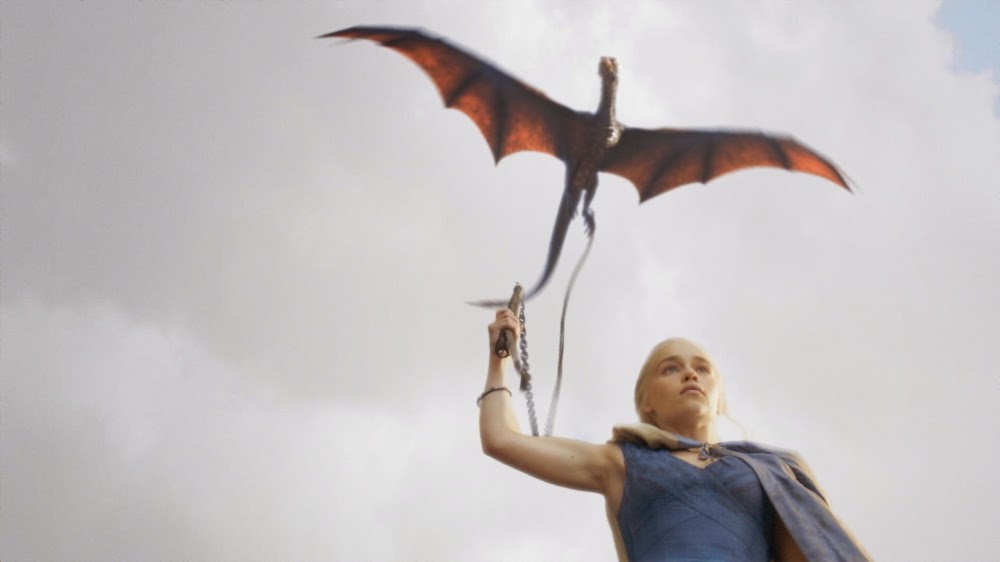
Not to mention that I ADORE revising. I love taming a wild first draft into submission!
With that in mind, if you choose me as a mentee, you can expect me to work hard to get my manuscript into the best possible shape, because editing is a process I genuinely enjoy. I write daily, so I intend to revise/consider revisions on a daily basis. I'll consider all suggestions, and will take the time to decide what resonates with me.
So basically, this is my approach to editing:
About me
Writing aside, here are a couple of facts about me.
I have a degree in English Literature, and a second degree in Law.
At the moment, I'm writing full-time.
I enjoy browsing auctions and antique fairs/stores...they are a wonderful source of inspiration! Soooo many jewels and trinkets *grabby hands*.
I'm an (obsessive) teddy bear collector.
I love coffee, and cookies, preferably together.
Thanks for taking the time to read my bio! For my fellow Pitch Wars hopefuls, remember one thing - by entering this contest we're all at least one step closer to publication than we were. So whatever happens, it's worth it.
Now the selection process is underway, it's easy to feel lost when we don't have immediate access to our email, where requests may (hopefully) be found.
So let's all go and work on something new and reveal day will arrive before we know it. I will TRY not to refresh my inbox every five minutes. :)
Thanks again for stopping by!
Subscribe to:
Posts (Atom)